

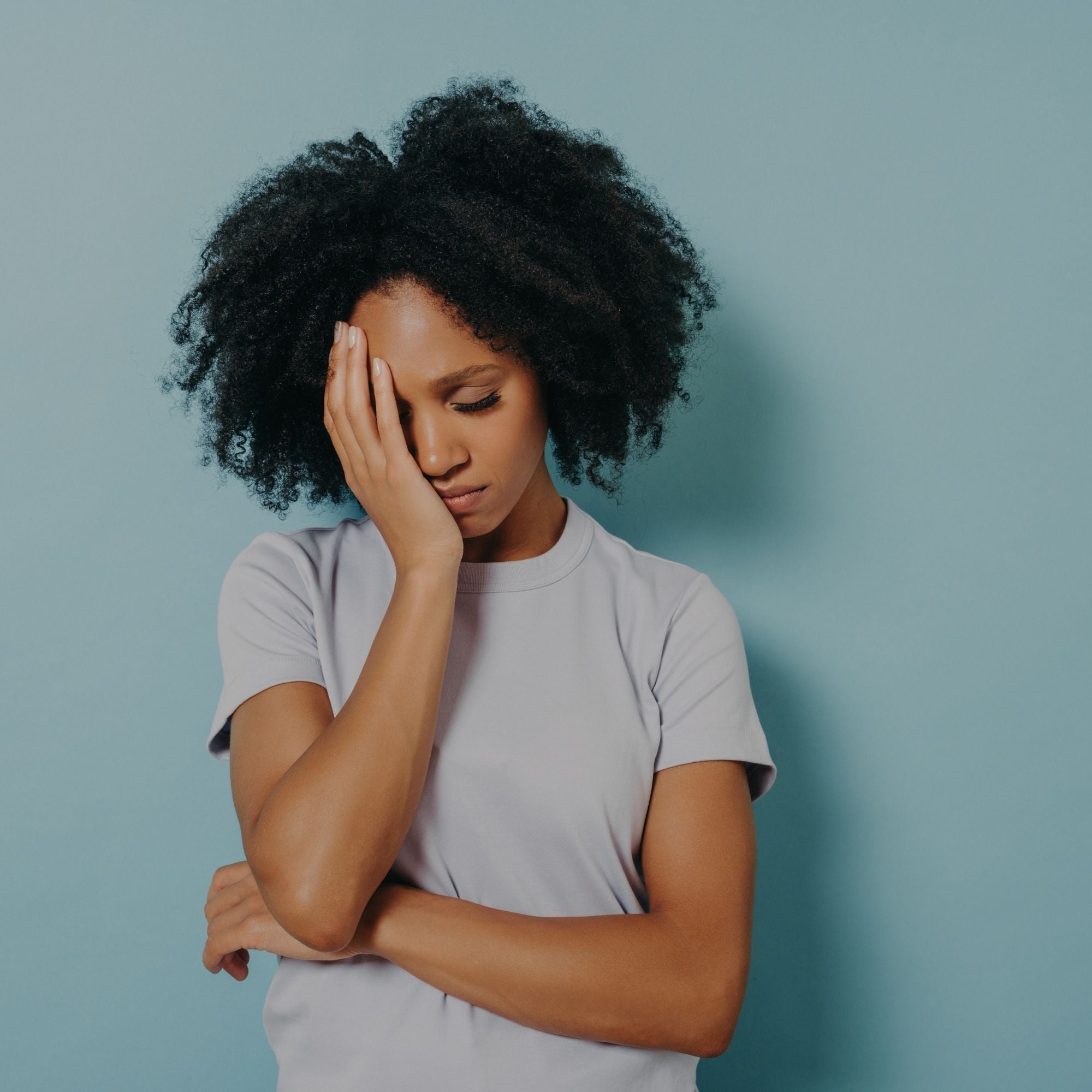
What happens when we’re stressed?
Stress is, first and foremost, our body’s natural response to stressful or challenging situations. Among other things, stress hormones such as cortisol and adrenaline are released to help the body perform better.
This can be helpful in the short term. However, if stress persists over time, it can have a negative impact on sleep, concentration, energy levels, and well-being. Many people then feel constantly tense, irritable, or exhausted.
Internal and External Stress Factors
Stress isn’t caused solely by external influences. A distinction is made between external and internal stress factors.
1. External Stress Factors
These include, for example:
- Work-related stress
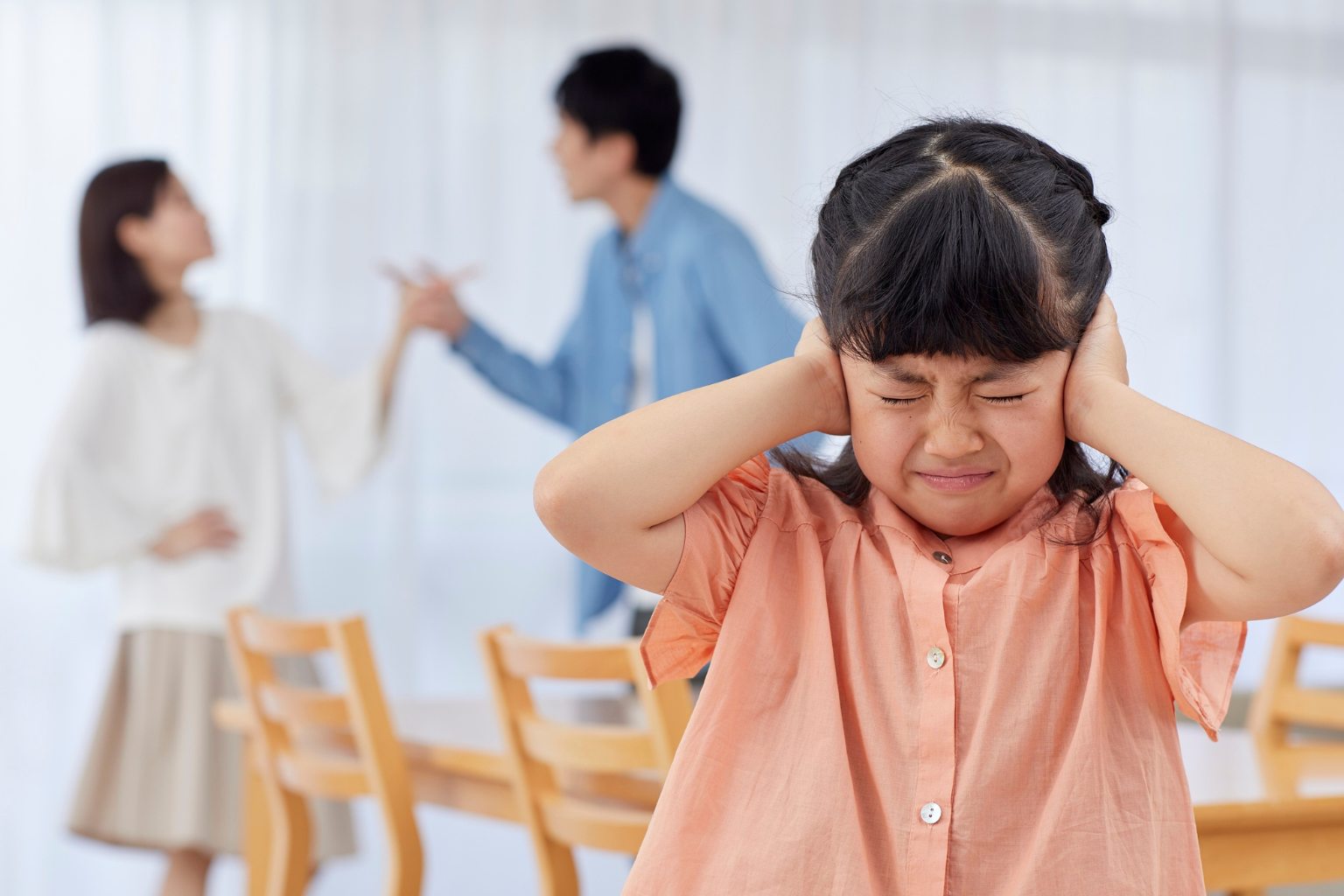
- Arguments or conflicts
- Constant availability
- Time pressure in everyday life
2. Internal stress factors
One’s own mindset can also exacerbate stress. Common internal stressors include:
- Perfectionism
- Negative self-talk
- Putting excessive pressure on oneself to perform
- Difficulty unwinding
6 Tips for Reducing Stress
Even small changes in your daily routine can help you cope better with stressful situations and find more inner peace.
1. Prioritize Your Tasks
To-do lists can help you stay organized and avoid feeling overwhelmed. Sort tasks by importance and focus on the essentials one step at a time.
2. Take Digital Breaks
Smartphones, news, and constant availability can cause additional stress. Consciously set aside short periods of time to go offline and focus solely on yourself for a moment.
3. Make Conscious Use of Natural Remedies
Many people find that medicinal plants such as valerian, kava-kava, angelica, or lemon balm provide soothing relief during stressful times. Traditionally, they’ve been used to promote inner peace and balance.
4. Make sure you get enough sleep
Lack of sleep can increase stress and negatively affect your concentration, mood, and energy levels. A regular sleep schedule can help you go through your day feeling more rested and balanced.
5. Use breathing exercises to relax
. Conscious, slow breathing can help reduce stress responses and keep you calmer during stressful moments. Even just a few minutes can make a difference.
6. Change your perspective
In stressful situations, try to mentally step back a bit and view the situation from a different angle. This can help you react more calmly and clearly.

Six simple habits that can help you consciously reduce stress in everyday life and promote greater inner balance.
Medicinal Plants to Help with Stress
Medicinal plants are also traditionally used to support the body and nervous system during stressful periods. Some of the best-known ones are:

Traditionally used medicinal plants to support relaxation, inner balance, and mental well-being.
- Valerian (Valeriana officinalis) Traditionally used to support Used to promote relaxation and inner peace.
- Lemon balm (Melissa officinalis) Is considered calming and is often associated with balance and relaxation.
- Kava-kava (Piper methysticum) Is traditionally used to promote calm and emotional balance
- Angelica (Angelica archangelica) Is traditionally associated with restorative and revitalizing properties.